

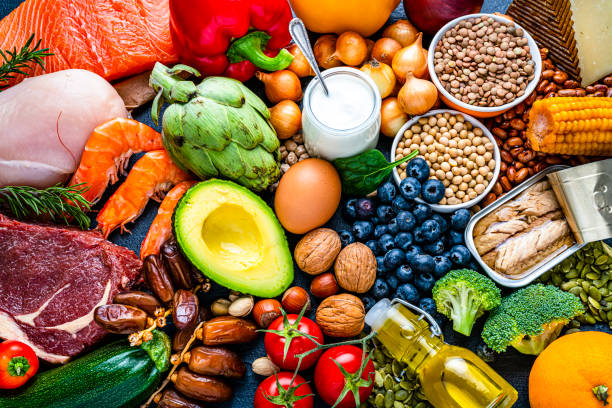
Who benefits most from adopting low-calorie meals? If you’re aiming to shed pounds sustainably, incorporating healthy low calorie meals into your routine can make all the difference. Think simple low calorie meal prep for busy days, a flexible low calorie meal plan to stay on track, or a straightforward low calorie diet plan tailored to your needs.
Don’t overlook healthy low calorie snacks and easy low calorie meals to curb cravings, plus quick low calorie lunch ideas for work. Even a very low calorie diet might suit some, alongside low calorie snacks for weight loss. We at Beyond Energised has dived into it to explore it more.
Healthy low calorie meals
In a world full of endless food choices and rising lifestyle-related illnesses, low calorie meals have earned a solid reputation for supporting better health. While some still associate “low calorie” with bland or restrictive diets, the reality is far more empowering.
When thoughtfully planned, low-calorie meals can be nutrient rich, satisfying, and even life changing. But who benefits the most from eating this way?
Let’s explore the groups that stand to gain the most.
1. People Looking to Lose Weight (and Keep It Off)
Unsurprisingly, one of the biggest beneficiaries of low calorie meals are individuals aiming to shed excess weight.
Weight loss happens when you consume fewer calories than you burn (a calorie deficit).
Low calorie meals packed with fibre, lean proteins, and whole foods can help you stay full, avoid cravings, and maintain energy.
Instead of slashing calories blindly, success comes from balanced, strategic choices like swapping refined carbs for legumes or using spices instead of creamy sauces.
2. Busy Professionals Managing Stress and Energy
Low calorie eating isn’t just about your waistline it’s about your mental and physical energy.
Heavy, high fat meals often lead to sluggishness and midday crashes. In contrast, lighter, more balanced meals help:
✅ Stabilise energy levels
✅ Improve focus and clarity
✅ Reduce post-lunch fatigue
Busy professionals benefit from convenient, low-calorie options that fuel performance without draining the system with healthy packed lunches.
3. People Managing Chronic Conditions
For those living with type 2 diabetes, hypertension, or high cholesterol, low-calorie meals especially when rich in whole foods can be incredibly beneficial.
Benefits include:
- Better blood sugar control
- Lower cholesterol
- Reduced inflammation
- Improved heart health
Of course, always consult with a healthcare provider but many find that low calorie eating is a key part of long term management with family-friendly low-carb dinners.
4. Older Adults Wanting to Age Gracefully
As we age, our calorie needs drop but our need for essential nutrients increases.
Low-calorie meals rich in antioxidants, lean protein, calcium, and fibre support:
Muscle maintenance
Bone strength
Cognitive function
It’s not about eating less it’s about eating smartly. Nutrient-dense meals help older adults maintain vitality without overloading the system.
5. Fitness Enthusiasts Seeking Lean Muscle
Not all athletes are in a bulking phase. Many fitness lovers are trying to build lean muscle, enhance performance, or reduce body fat.
Low-calorie meals with a high-protein, moderate carb profile are ideal for high-protein snacks between meals.
When calories are controlled but nutrients are optimised, it becomes easier to reach physique or performance goals.
Easy low calorie meals
Low calorie meals aren’t a restrictive punishment they’re a powerful tool for better health across different lifestyles and goals.
Whether you’re:
- Trying to lose weight
- Boosting energy at work
- Managing a medical condition
- Aging with strength
- Training for your next fitness milestone
…a balanced low-calorie approach can support you.
Make the Switch with Support
At Beyond Energised, we help you eat smarter not less. Our expert designed meal plans take the guesswork out of healthy eating so you can focus on feeling your best.
👉 Explore our programs and get started today by clicking the subscribe button at the bottom of the page.